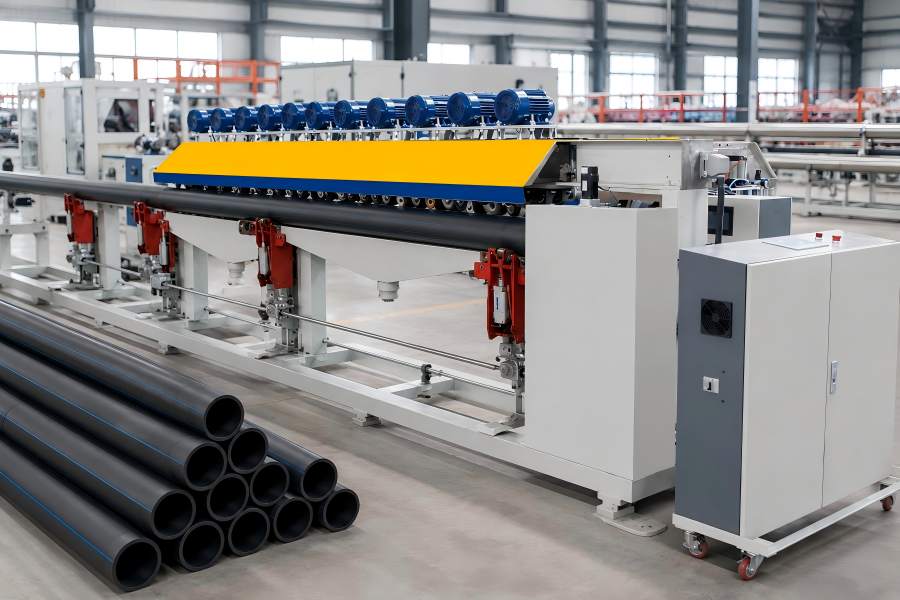
You must prioritize pipe diameter and application when selecting the right pipe slotting machine. Performance and durability may be impacted by compatibility with pipe material and slot arrangement. Mismatched machines may lead to inefficient slotting or increased operational costs. Consider regional standards and performance metrics, as shown below:
| Aspect | Details |
| Regional Standards | ASTM F480 for drainage pipes, EN 1401 for soil systems |
| Performance Metrics | Processing diameter: 20 mm–315 mm; Slotting speed: 15–20 meters/minute |
| Energy Consumption | Evaluate kW/hr at operational loads for cost efficiency. |
| Quality Assurance | Welded steel bases with vibration-dampening mounts preferred |
| Integration Capabilities | MODBUS protocol support for production line integration |
| After-sales Support | Regional service networks; spare parts within 72 hours |
| Warranty Terms | Terms below 18 months may signal durability concerns |
Take a step-by-step approach for tailored machine selection and reliable results.
Pipe Diameter Identification
Measuring Pipe Diameters
You must start by measuring pipe diameters with precision. Accurate measurement ensures you select the right pipe slotting machine for your needs. In manufacturing environments, several standard methods help you determine pipe size:
| Method | Description |
| Nominal Pipe Size (NPS) | A standard for specifying pipe sizes based on the diameter of the pipe. |
| Outside Diameter (OD) | The pipe’s overall diameter as measured from its outer edges. |
| Inside Diameter (ID) | The diameter measured from the inner edges of the pipe, crucial for flow calculations. |
| Wall Thickness Schedules | Standards that define the thickness of the pipe walls, affecting strength and pressure ratings. |
| Blockage or Ball Test | A method to inspect for blockages and ensure dimensional conformity by passing a ball through the pipe. |
To guarantee accuracy, you should take two measurements. For accurate measurements, refer to a pipe sizing chart. When taking measurements, take future maintenance and repair requirements into account.
If you use incorrect measurements, you risk selecting a machine that cannot handle your pipes. This mistake can lead to reduced flow rates, increased pressure drops, equipment damage, costly reworks, material waste, and production delays.
Categorizing Pipe Sizes
Once you have measured your pipes, categorize them according to industry standards. Manufacturers define capacity ranges for slotting machines based on pipe diameter. You must match your pipe size to the machine’s capacity to avoid operational issues.
| Manufacturer | Pipe Diameter Range |
| S. S. Enterprises | up to 10″ pipe |
| BST Machines Inc | 20-110MM, 50-200MM, 75-250MM, 110-315MM |
Slotting machine models also specify their pipe range:
| Model | Pipe Range |
| BST-TASM-40-110 | 20-110MM |
| BST-TASM-50-200 | 50-200MM |
| BST-TASM-75-250 | 75-250MM |
| BST-TASM-110-315 | 110-315MM |
| Model | Pipe Range |
| BST-ASM-40-110 | 40-110MM |
| BST-ASM-50-200 | 50-200MM |
| BST-ASM-75-250 | 75-250MM |
| BST-ASM-110-315 | 110-315MM |
| BST-ASM-200-400 | 200-400MM |
| BST-ASM-400-650 | 400-600MM |
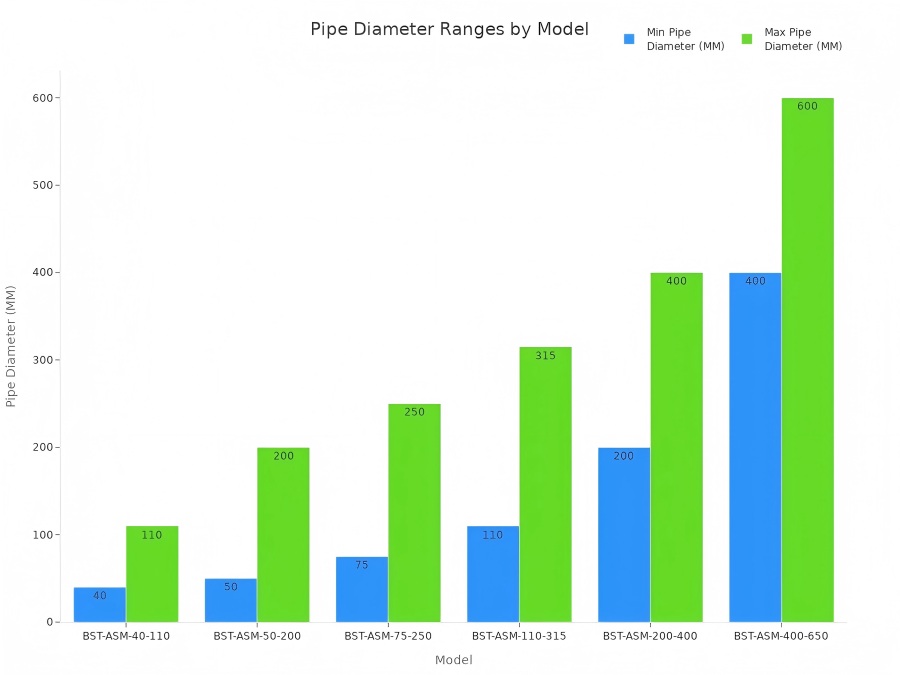
You must select a machine that covers your pipe diameter range. If you work with multiple sizes, choose a machine with adjustable capacity. This approach ensures you avoid downtime and maximize efficiency. The Right Pipe Slotting Machine will match your pipe size and support your production goals.
Right Pipe Slotting Machine Features
Slotting Capacity & Adjustability
When selecting a pipe slotting machine, consider its slotting capacity and adjustability. The machine should accommodate your required pipe diameter range and offer adjustable settings for different slot sizes, ensuring flexibility for varying production needs.
A well-designed slotting machine offers precise control over slot length, width, depth, and spacing. You can adjust these parameters to match the specifications of each project. The table below highlights how adjustable settings accommodate varying pipe diameters:
| Feature | Details |
| Pipe Diameter Range | 75mm – 250mm |
| Adjustable Slot Dimensions | Length, width, depth, spacing |
You should also consider stroke length, rigidity, and drive type. Machines with longer stroke lengths can slot larger pipes efficiently. High rigidity reduces vibration and improves slot accuracy. Drive type—such as hydraulic or CNC—affects speed, consistency, and maintenance needs.
Tooling Options for Different Diameters
To achieve clean, uniform slots throughout a range of pipe diameters, the proper tooling must be chosen. The Right Pipe Slotting Machine should support a range of tooling options to handle both small and large pipes.
You will find that high-performance slotting systems offer flexibility and adaptability for different operations.
The table below summarizes common tooling options and their applications:
| Tooling Option | Description |
| High-performance slotting systems | Designed for various pipe sizes, offering flexibility and adaptability in operations. |
| Customized slotting patterns | Used for smaller diameter pipes (as small as 2 inches) to improve flow and reduce blockage. |
| Standardized slot dimensions | Applied in larger pipes (above 8 inches) to ensure structural integrity under high pressure. |
| Reinforcing methods | Ribbed internal structures can enhance durability by over 40% in harsh environments. |
| Types of slotting machines | Includes Horizontal, Vertical, Hydraulic, CNC, Laser, and Portable Slotting Machines with unique features. |
You should match the tooling to your pipe specifications and slot configuration. The selection of slotting machines depends on your operational requirements and the material of the pipe. Accurate management over slot designs and adaptations can decrease waste and increase recovery efficiency.
Consider these types of slotting machines for different needs:
- Vertical Slotting Machines
- Horizontal Slotting Machines
- CNC Slotting Machines
- Laser Slotting Machines
- Portable Slotting Machines
- Hydraulic Slotting Machines
When configuring your machine, follow these steps for optimal results:
- Ensure tool shank diameters correspond to the slot configuration.
- Adjust spindle speeds and stroke rates based on the workpiece.
- Align table feed rates with machining conditions.
By focusing on slotting capacity, adjustability, and the right tooling options, you can maximize the performance of your Right Pipe Slotting Machine and achieve reliable, high-quality results.
Production Volume & Application
High vs. Low Volume Needs
Evaluate your production volume before selecting a pipe slotting machine. Durable equipment that can carry out repetitive tasks with accuracy is necessary for high-volume activities.
For large batches and varying pipe diameters, machines equipped with side and face milling cutters are ideal for producing long, deep grooves with consistent results.
For low-volume or custom applications, machines with simpler configurations are often sufficient. End mills are ideal for various groove milling tasks, particularly on vertical milling machines and machining centers, offering flexibility and quick changeovers between different pipe sizes.
- High-frequency slotting favors side and face milling cutters for deep, long grooves.
- End mills provide versatility for smaller batches and varied groove profiles.
- Choose a machine with quick-change tooling if you expect frequent diameter changes.
Application-Specific Considerations
Your application determines the technical requirements for slotting. For example, water filtration and oil extraction demand precise slot dimensions and strict compliance with industry standards. You must consider the following factors:
| Compliance Standard | Description |
| FDA 21 CFR 177.1630 | Verifies that the polyester-based filter support contains no hazardous extractables |
| FDA 21 CFR 177.1520 | Standard polypropylene compliance for food contact applications |
| REACH compliance (EU 1907/2006) | Ensures chemical safety for food and beverage customers in Europe |
| OEKO-TEX® Standard 100 | Confirms absence of harmful substances in nonwoven products |
You should also look for machines that support fine fiber structures with controlled pore size. To endure hydraulic pressure, mechanical strength is crucial. Chemical compatibility with the filtered liquid ensures long-term performance.
When working with PVC pipes, follow slot spacing and size recommendations to maintain structural integrity and flow efficiency. For most filtration applications, use narrow slots spaced evenly along the pipe. This configuration prevents clogging and maximizes throughput.
- Select machines that allow precise adjustment of slot width and spacing.
- Ensure your machine meets all relevant compliance standards for your indstry.
- Prioritize mechanical strength and chemical compatibility for demanding applications.
Flexibility & Future Needs
Adjustable Machines
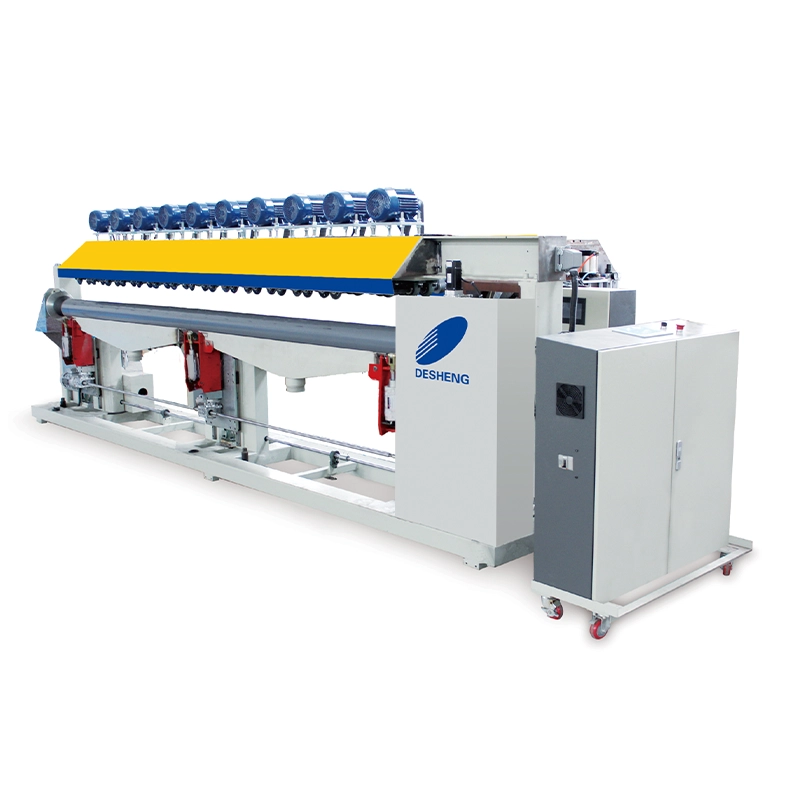
Adjustable machines allow you to process a wide range of pipe diameters without changing equipment. This feature saves time and reduces costs. CNC slotting machines offer rapid positioning and automated input.
You can switch between pipe sizes with minimal effort. Skilled operators are not required for frequent adjustments. Processing accuracy remains high, with tolerances as tight as ±0.02 mm in width and ±0.01 mm in depth.
The table below compares adjustable CNC slotting machines to traditional fixed-diameter models:
| Feature | CNC Slotting Machines (Adjustable) | Traditional Slotting Machines (Fixed-Diameter) |
| Processing Accuracy | ±0.02 mm width, ±0.01 mm depth | ±0.1 mm width, larger depth tolerance |
| Processing Efficiency | High, rapid positioning | Low, manual adjustments required |
| Operational Convenience | Easy, automated input | Difficult, skilled operators needed |
| Flexibility in Processing | High, quick program adjustments | Low, tool and fixture changes required |
Planning for Upgrades
You should plan for future needs when investing in a slotting machine. Production requirements may change as your business grows. Machines with modular designs allow you to upgrade components or expand capacity.
You can add new tooling or software features without replacing the entire system. This strategy protects your investment and supports long-term growth.
Consider these steps when planning for upgrades:
- Review your current and projected pipe diameter ranges.
- Select machines with expandable controls and software.
- Ensure compatibility with new tooling and automation features.
- Evaluate support options for future upgrades.
Comparing Models & Brands
Diameter Compatibility
You must compare slotting machine models based on their compatibility with your pipe diameters. Each manufacturer designs machines with specific diameter ranges. Every model’s technical specifications should be examined. This step ensures that the machine will handle your smallest and largest pipes without modification.
A simple comparison table can help you organize your findings:
| Model Name | Min Diameter | Max Diameter | Adjustment Method |
| Model A | 20 mm | 110 mm | Manual |
| Model B | 50 mm | 250 mm | CNC |
| Model C | 110 mm | 315 mm | Hydraulic |
You should select a machine that covers your current pipe sizes and allows for future expansion. Machines with adjustable settings or modular tooling provide more flexibility. If you process a wide range of diameters, look for models that offer quick-change features. This approach reduces downtime and increases productivity.
Reliability & Support
Support and dependability are essential to your long-term contentment. You should evaluate each brand’s reputation for durability and service. Reliable machines reduce maintenance costs and prevent unexpected breakdowns.
When comparing after-sales support and warranty terms, consider these points:
- The majority of slot machines come with a three-month part guarantee.
- Warranties may have certain restrictions and are not transferable.
- Light bulbs, fuses, and environmental or misuse-related damage are examples of common exclusions.
- During business hours, technical support is typically accessible via phone or email.
- Installing replacement parts is your responsibility.
It is important to confirm spare parts availability and delivery lead times, as responsive technical assistance can keep downtime to a minimum. Brands with strong regional service networks offer better peace of mind.
By focusing on diameter compatibility, reliability, and support, you can make a well-informed choice that supports your production goals and reduces risk.
You ensure optimal results when you match machine features to your pipe diameters and specific applications. Flexible machines help you adapt to future needs and changing production demands. Before you buy, review all diameter-related factors with a checklist:
- Confirm diameter compatibility
- Assess adjustability and upgrade options
- Evaluate support and warranty terms