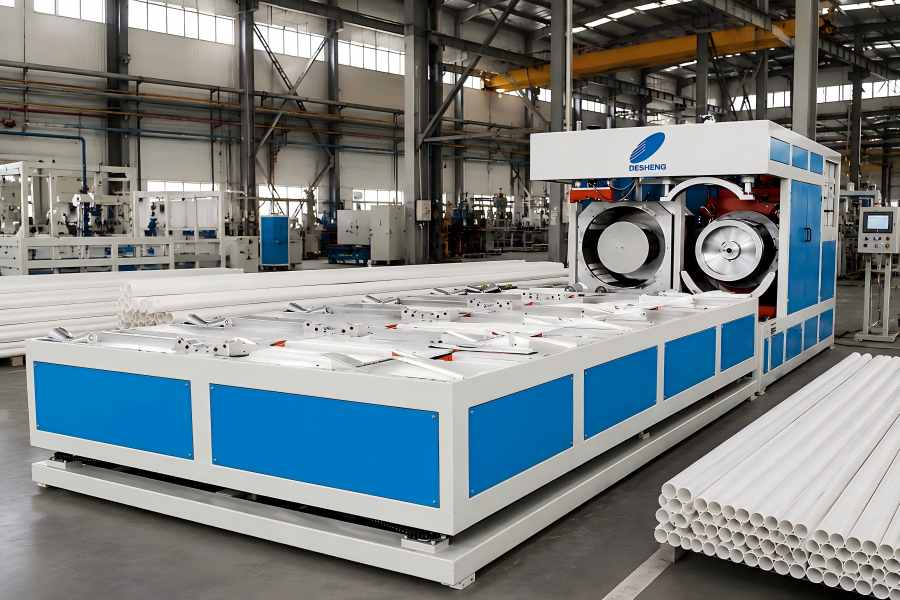
Infrastructure development drives global industrial growth by increasing demand for reliable piping systems. As governments invest in transport, water, energy, and urban projects, manufacturers are rapidly adopting belling machines to produce precise, leak-resistant pipe sockets and meet rising infrastructure requirements efficiently.
Understanding the Role of Belling Machines
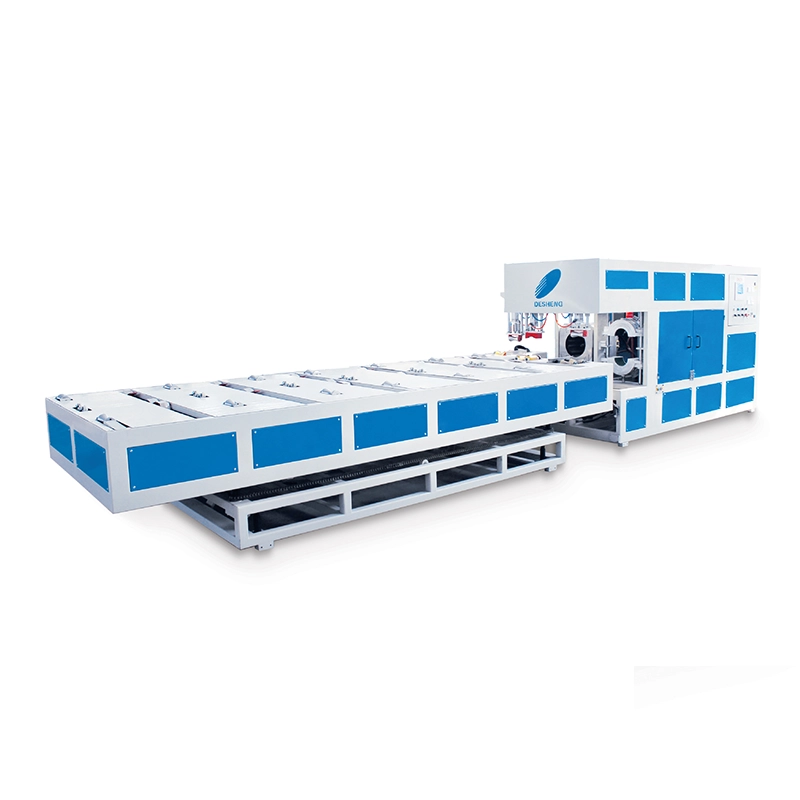
A belling machine forms enlarged socket ends on plastic pipes such as PVC, CPVC, and HDPE. These sockets enable efficient push-fit or gasketed pipe connections.
The process heats the pipe end to a controlled temperature, then expands it using a mold or forming tool. After cooling, the socket retains its shape and ensures a secure, reliable joint.
Belling technology offers several important advantages:
- Faster pipe installation
- Improved joint integrity
- Reduced leakage risk
- Lower installation costs
- Enhanced system reliability
- Longer pipeline service life
These benefits make belling machines a critical component in the production of infrastructure-grade piping systems.
Global Infrastructure Spending Continues to Rise
Many countries are facing aging infrastructure that requires extensive modernization. At the same time, rapid urbanization is creating demand for entirely new utility networks and transportation systems.
Large-scale investments are being directed toward:
Water Supply Networks
Growing populations require expanded access to clean drinking water. Municipalities are investing heavily in new pipelines, pumping stations, reservoirs, and treatment plants.
PVC and HDPE pipes are widely used in water distribution systems due to their corrosion resistance, long service life, and cost-effectiveness. As demand for these pipes increases, manufacturers require additional belling capacity to support production.
Wastewater and Sewer Systems
Modern wastewater management depends on extensive underground piping infrastructure.
Governments are upgrading sewer networks to:
- Improve sanitation
- Reduce environmental contamination
- Support urban development
- Meet stricter regulatory standards
These projects consume massive volumes of plastic pipe, driving greater utilization of belling equipment throughout the manufacturing process.
Transportation Infrastructure
Roads, highways, airports, rail systems, and ports all require sophisticated drainage and utility systems.
Pipeline applications within transportation projects include:
- Stormwater drainage
- Utility conduits
- Electrical protection systems
- Telecommunications networks
- Water supply systems
The expansion of transportation infrastructure directly contributes to rising demand for socketed pipe products and the machinery used to produce them.
Energy Infrastructure
Energy projects increasingly rely on durable piping systems.
Examples include:
- Solar farm utility networks
- Wind energy facilities
- Natural gas distribution systems
- District heating systems
- Industrial process piping
As energy infrastructure expands globally, pipe manufacturers are investing in advanced production equipment to satisfy growing market requirements.
Urbanization Is Creating New Opportunities
Urbanization remains one of the most significant long-term economic trends.
According to international development organizations, millions of people continue to move into urban areas every year. This migration creates enormous pressure on cities to expand essential services.
New residential developments require:
- Freshwater systems
- Sewage networks
- Drainage infrastructure
- Utility conduits
- Telecommunications installations
Commercial and industrial developments require similar investments on an even larger scale.
The resulting increase in pipe demand is encouraging manufacturers to enhance production efficiency through automated belling technologies.
Growing Preference for Plastic Pipe Systems
Traditional infrastructure projects often relied on concrete, steel, or cast-iron pipes. Although these materials are still useful in some applications, plastic pipes are becoming more and more common.
Several factors contribute to this shift.
Corrosion Resistance
Plastic pipes are perfect for severe settings and subterranean installations because they don’t rust or corrode.
Constructed Lightweight
Compared to metal counterparts, plastic pipes are far lighter, which lowers installation and transportation expenses.
Extended Service Life
Many plastic pipe systems require little upkeep and can function efficiently for decades.
Enhanced Hydraulic Performance
Smooth inner surfaces lessen pressure losses and preserve flow efficiency.
Efficiency in Cost
Infrastructure developers are drawn to plastic pipes due to their lower material, transportation, and installation costs.
As the use of plastic piping expands, manufacturers require greater production capacity, leading to increased adoption of belling machines.
Automation Is Transforming Pipe Manufacturing
Infrastructure projects often involve strict delivery schedules and large-volume pipe requirements.
To remain competitive, pipe manufacturers are embracing automation across production facilities.
Modern belling machines provide several automation benefits:
Higher Production Output
Automated systems can process large numbers of pipes continuously with minimal interruption.
Consistent Product Quality
Precision controls ensure each socket meets exact dimensional specifications.
Reduced Labor Requirements
Automation eliminates the need for skilled workers and minimizes human handling.
Improved Safety
Workers face fewer risks associated with repetitive tasks and heated materials.
Lower Operating Costs
Greater efficiency helps reduce production expenses over the long term.
These advantages make automated belling systems an attractive investment for manufacturers serving infrastructure markets.
Government Infrastructure Programs Support Market Growth
Public infrastructure spending is a major factor behind rising demand for pipe manufacturing equipment.
Around the world, governments are starting projects centered on:
- Water security
- Urban development
- Climate resilience
- Renewable energy
- Transportation modernization
Many of these programs involve extensive pipeline construction.
Government-funded initiatives frequently result in long-term contracts and steady demand for pipe makers. To meet these opportunities, manufacturers frequently expand production capacity through investments in modern belling machinery.
Environmental Sustainability Is Influencing Equipment Adoption
Infrastructure planning now takes sustainability into account.
Governments and developers are increasingly looking for solutions that minimize environmental impact while ensuring durable, long-term performance.
Plastic piping systems contribute to sustainability goals through:
- Lower transportation emissions
- Reduced water loss from leaks
- Longer operational lifespans
- Recyclable material options
- Reduced maintenance requirements
Modern belling machines reduce material waste and increase industrial efficiency, which further promotes sustainability.
Advanced equipment often includes:
- Energy-efficient heating systems
- Precise temperature controls
- Optimized forming cycles
- Reduced scrap generation
These features help manufacturers align with environmental objectives while maintaining profitability.
Smart Cities Are Driving New Pipe Requirements
Advanced infrastructure solutions are becoming more and more in demand as smart cities proliferate.
Smart city projects integrate:
- Intelligent water management
- Digital utility monitoring
- Connected transportation networks
- Renewable energy systems
- High-speed communications infrastructure
These systems require extensive underground piping and conduit networks.
As smart city development accelerates, pipe manufacturers are expanding production capabilities, further increasing demand for high-performance belling equipment.
Competitive Pressures Encourage Equipment Upgrades
The pipe manufacturing industry has become increasingly competitive.
Manufacturers must balance several priorities:
- Product quality
- Production speed
- Cost efficiency
- Regulatory compliance
- Customer satisfaction
Older equipment may struggle to meet modern production requirements.
As a result, many companies are replacing legacy systems with advanced belling machines that offer:
- Faster cycle times
- Greater flexibility
- Improved automation
- Digital controls
- Real-time monitoring capabilities
These upgrades help manufacturers remain competitive while serving growing infrastructure markets.
Technological Innovations Are Expanding Machine Capabilities
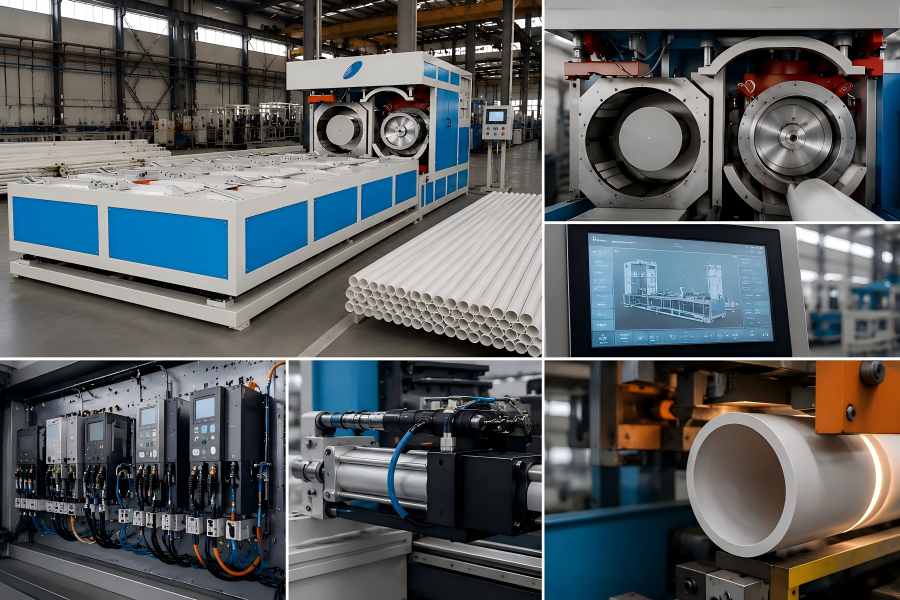
Today’s belling machines are far more sophisticated than earlier generations.
Recent innovations include:
Servo-Controlled Systems
Servo technology improves positioning accuracy and process consistency.
Automated Tool Changeovers
Manufacturers can switch between pipe sizes more quickly, reducing downtime.
Integrated Quality Monitoring
Sensors continuously verify process parameters to ensure product quality.
Industry 4.0 Connectivity
Production data from linked equipment helps with operational efficiency and predictive maintenance.
Energy Optimization Features
Advanced heating and cooling technologies help reduce energy consumption.
These technological improvements make modern belling machines increasingly attractive for infrastructure-focused pipe producers.
Emerging Markets Offer Significant Growth Potential
A significant portion of future infrastructure spending is anticipated to come from developing nations.
Investments are being driven by population increase and rapid industrialization in:
- Municipal water systems
- Sanitation projects
- Housing developments
- Industrial parks
- Transportation networks
Many regions are building infrastructure from the ground up, creating substantial demand for plastic pipes and associated manufacturing equipment.
As local pipe production expands, the market for belling machines is expected to grow alongside it.
Future Outlook for Belling Machine Adoption
The outlook for belling machine adoption remains highly positive.
It is anticipated that a number of long-term trends would sustain market expansion:
- Increasing infrastructure investment
- Urban population expansion
- Water conservation initiatives
- Smart city development
- Renewable energy projects
- Industrial modernization
- Greater automation adoption
- Sustainability-focused construction practices
As these trends continue, demand for plastic piping systems will remain strong, creating ongoing opportunities for equipment manufacturers and pipe producers alike.